
When planning a fencing project, selecting the right contractor is one of the most critical decisions. A professional fence contractor ensures quality craftsmanship, adherence to local regulations, and timely completion. Below is a detailed guide to help you choose the best fence contractor for your needs.
Define Your Needs and Expectations
Start by clearly outlining what you’re looking for in your fencing project. This helps both you and potential contractors align on goals. Consider these factors:
– Purpose of the Fence: Privacy, security, aesthetics, or property boundary definition?
– Fence Material: Wood, vinyl, chain-link, aluminum, wrought iron, or composite materials?
– Budget: What is your maximum budget for materials and labor?
– Timeline: Do you have a specific deadline for completion?
Once these details are clear, you’ll be in a better position to communicate with contractors.
Search for Local Contractors
Local contractors are often more familiar with regional building codes and climate conditions that could impact your fence. Here’s how to find reputable options:
– Online Directories: Websites like Angi (formerly Angie’s List), HomeAdvisor, or Houzz can provide verified listings of local contractors.
– Word-of-Mouth Recommendations: Ask friends, family members, or neighbors who have recently installed fences about their experiences.
– Social Media Groups: Community-based Facebook groups or Nextdoor can also serve as great resources.
Evaluate Credentials and Experience
| Credential | Why It’s Important |
| Licensing | Confirms they meet state/local regulatory standards. |
| Insurance | Protects you in case of accidents or property damage during installation. |
| Years in Business | A longer track record often indicates reliability and experience within the industry. |
Additionally:
– Look at their portfolio of past projects to gauge their expertise with different materials and designs. – Verify if they belong to professional organizations like the American Fence Association (AFA).
Ask Questions During Consultations
Schedule consultations with at least three contractors on your shortlist and ask detailed questions such as:
1. How long will the project take?
2. Will permits be handled by your team or should I manage them myself?
3. What kind of warranty do you offer on labor and materials?
4. Are there any additional costs I should anticipate?
Asking these questions will help clarify expectations while giving you insight into their knowledge and professionalism.
Compare Estimates Thoroughly
Price should not be your sole determining factor when choosing a contractor; however, comparing estimates remains crucial. Pay attention to how transparent each quote is regarding:
– Material costs (broken down by type)
– Labor charges (hourly vs flat rate)
– Potential add-ons (e.g., gates or decorative elements)
Be cautious about unusually low bids—these may indicate subpar materials or rushed workmanship.
Verify References
A reliable contractor should willingly provide references from past clients who can vouch for their performance. When speaking with references:
1. Ask if they were satisfied with communication throughout the project. 2. Confirm whether timelines were followed. 3. Check if there were any post-installation issues requiring follow-up assistance.
Taking this step further adds confidence in making an informed decision without unnecessary risk.
By following these steps methodically, you’ll be well-prepared to select a qualified professional who delivers excellent results while respecting your budgetary needs and timeline preferences—all without compromise on quality workmanship or service standards.
How to Research and Choose the Best Fence Company Gainesville FL
Choosing the right fence contractor is pivotal to ensuring your project is completed to your satisfaction. A thoughtful and thorough research process can help you find a contractor who delivers high-quality results while maintaining professionalism. Below are key steps to guide you in selecting the best fence contractor for your project.
Identifying Your Needs and Goals for Fence Installation Gainesville FL
Before starting your search, outline your specific project requirements and goals: – Type of fence: Wood, vinyl, chain link, aluminum, etc. – Purpose: Privacy, security, decorative enhancement, or property boundaries. – Budget considerations. – Desired timeframe for project completion.
This clarity will help you communicate effectively with potential contractors and evaluate their ability to meet your needs.
Find the Best Options for Fence Repair Gainesville FL
Ask friends, family members, neighbors, or coworkers for recommendations based on their personal experiences with local contractors. Trusted referrals can save you time and help you find reliable professionals.
Alternatively: – Use online platforms like Google Reviews or Yelp to identify contractors with consistently high ratings. – Visit social media pages or community forums for additional insights into local options.
1. Verify Licensing and Certification
A qualified fence contractor should have proper licensing and certifications that comply with local regulations. During initial discussions: – Request proof of licensure that permits them to operate in your area. – Confirm they carry liability insurance and workers’ compensation coverage to protect against potential risks during the project.
This step ensures you’re working with legitimate professionals who adhere to industry standards.
| Key Documentation | Why It’s Important |
| Contractor’s License | Confirms legitimacy and compliance with legal requirements. |
| Liability Insurance | Protects you from financial responsibility for damages or accidents during the project. |
| Workers’ Compensation Insurance | Covers injuries sustained by workers on-site. |
2. Interview Multiple Contractors
Contact at least three contractors for initial consultations. Take note of their communication style, professionalism, and willingness to answer questions about their process.
Key questions to ask include: – How long have you been in business? – What warranties do you offer on materials and labor? – Can you provide references from past clients? – How do you handle permitting requirements?
Compare responses across contractors to determine who aligns best with your expectations.
3. Review Portfolios of Past Work
Examining a contractor’s previous projects can provide insight into their craftsmanship and expertise: – Request images of completed fences similar to what you’re envisioning. – Inquire about challenges faced during past projects and how they were resolved.
If possible: – Visit physical locations where the contractor has installed fences previously.
A strong portfolio demonstrates the contractor’s capabilities while showcasing their experience across multiple styles and materials.
4. Check Online Reviews
Positive indicators include: 1. Timely completion of projects within budget constraints. 2. Clear communication throughout the process. 3. High-quality workmanship that meets expectations.
Be cautious if there are recurring complaints regarding delays or poor service quality.
5. Obtain Detailed Written Estimates
Before finalizing your choice: 1. Ask each shortlisted contractor to provide a detailed written estimate outlining all costs (labor, materials, permits). 2. Compare estimates side-by-side without focusing solely on price — consider included services like warranty coverage or post-installation support.
By following these steps methodically while prioritizing transparency from potential contractors at every stage— you’ll position yourself well toward finding a reputable partner capable of delivering results reflecting both value & excellence within agreed-upon timelines
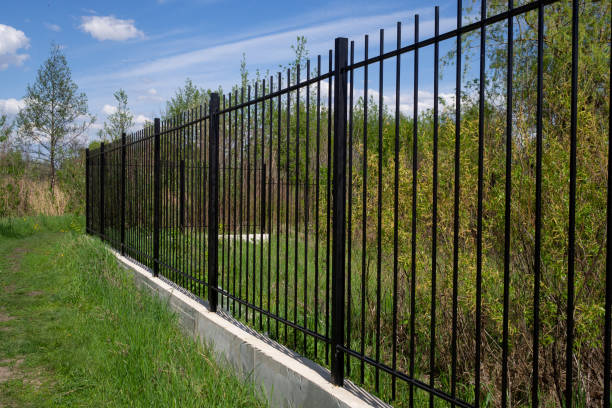
Key Factors for Evaluating Cost Estimates and Fence Installation Contracts
When planning a fencing project, evaluating cost estimates and contracts is one of the most critical steps to ensure a smooth process. By analyzing these details thoroughly, you can avoid unexpected expenses and ensure the project aligns with your budget and expectations.
Breaking Down a Cost Estimate
- Type of fencing material (e.g., wood, vinyl, aluminum, chain link).
- Quantity of materials required based on the perimeter of the property.
- Quality or grade of materials being proposed.
- Estimated hours for installation.
- Rates charged per hour or as a flat fee.
- Removal and disposal fees for an existing fence (if applicable).
- Permit fees required by local authorities.
- Equipment rental charges for specialized tools or machinery.
A well-prepared estimate provides transparency in costs, allowing you to compare multiple contractors more effectively.
Questions to Ask About Cost Estimates
- Are there any potential hidden fees not included in the quote?
- Is warranty coverage included in this cost? If not, how much extra would it cost?
- What is the timeline for completing the project, and does this impact pricing?
Reviewing Fence Installation Contracts
The contract is a legally binding document that outlines responsibilities between you and the contractor. It is vital to review it carefully before signing.
Essential Elements of a Fence Installation Contract:
| Section | Details to Verify |
| Project Scope | Descriptions of work to be completed (e.g., type/length/height of fence). |
| Payment Schedule | Clear terms on deposit amount, payment milestones, and final payment timing. |
| Warranty Terms | Coverage details for both materials and workmanship with expiration timelines. |
| Start & End Dates | Specific timeline indicating when work will begin and end based on agreements. |
| Liability Coverage | Confirmation that the contractor carries proper insurance coverage during work. |
Ensure that any verbal agreements discussed with your contractor are documented in writing within this contract.
Tips for Comparing Multiple Bids
- Focus on value over price alone — cheaper isn’t always better if quality suffers.
- Look at detailed breakdowns rather than just bottom-line figures.
- Ensure all bids reflect comparable materials and services so you’re making an apples-to-apples comparison.
By carefully evaluating estimates and contracts using these methods, you can confidently move forward knowing your investment is protected and expectations are aligned with your chosen contractor’s capabilities.
The Importance of Checking References and Reviewing Past Fence Projects
When choosing a fence contractor, one of the most critical steps is checking references and reviewing their past projects. This ensures you are hiring a professional with proven expertise and a history of delivering quality work. Below, we delve into why this step is important and provide actionable guidance on how to approach it effectively.
Why Checking References Matters
References provide firsthand accounts of the contractor’s performance from previous clients. They offer insights into areas such as:
– Workmanship Quality: Did the contractor meet or exceed expectations?
– Timeliness: Were projects completed within the agreed timeframe?
– Communication: Was the contractor responsive and professional during the project?
Speaking to past clients provides clarity about how reliable and skilled the contractor is, helping you avoid potential headaches later.
How to Request References
When interviewing fence contractors, ask for a list of references you can contact. Ideally, this should include:
1. At least three recent clients with similar project requirements to yours (e.g., residential, commercial).
2. A mix of long-term and more recent customers to gauge consistency in work quality over time.
Ensure that you make it clear you will be contacting these individuals. A trustworthy contractor should have no problem providing credible references.
Questions to Ask References
When speaking with references, ask targeted questions to gather meaningful information. Here’s a list of effective questions:
1. What type of fence project did the contractor handle for you?
2. Was the project completed on schedule? If not, what caused delays?
3. Were there any unexpected costs or issues during installation?
4. How was their communication throughout the process? Were they easy to reach when needed?
5. Are you satisfied with the durability and appearance of your fence over time?
Take note of recurring themes in responses; if multiple people mention similar issues or praise specific aspects, it can help solidify your decision.
Reviewing Past Fence Projects
In addition to checking references, reviewing a contractor’s portfolio is essential for evaluating craftsmanship and style compatibility with your needs.
What to Look for in Completed Projects:
- Variety: Does their portfolio showcase expertise across different types of fences (e.g., wood, vinyl, chain link)?
- Attention to Detail: Observe alignment, finishes, gates, and other details that highlight professionalism.
- Consistency: Look for uniformity in quality across their projects.
Many contractors now maintain online portfolios or websites showcasing past work; however, do not hesitate to request an in-person tour of completed projects if possible.
| Aspect | What It Tells You | Example Observations |
| Fence Material Used | Expertise with specific materials | Skilled at working with cedar wood |
| Design Complexity | Ability to execute intricate designs | Custom lattice tops |
| Site Challenges Addressed | Problem-solving skills | Sloped terrain successfully fenced |
Red Flags When Checking References
While conducting reference checks or reviewing portfolios: – Be wary if customers are hesitant or unwilling to discuss their experiences. – Avoid contractors who cannot provide sufficient examples of previous work. – Look out for inconsistent communication during preliminary discussions—this may indicate future reliability issues.
By thoroughly verifying references and inspecting past work through photos or site visits, homeowners can feel confident in selecting a qualified professional who will deliver exceptional results tailored perfectly to their needs.
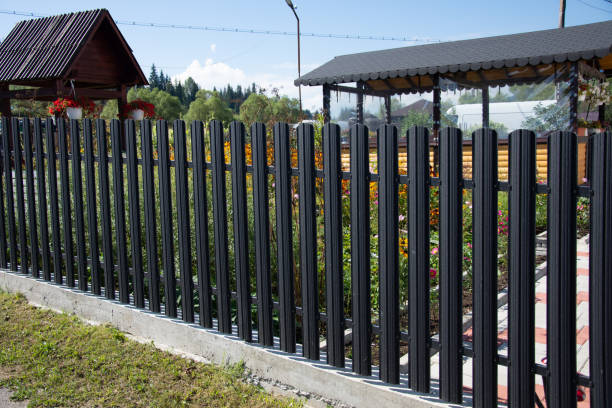
Ensuring Proper Fence Installation and Support After the Project is Complete
Proper installation and post-project support are critical to ensuring that your fence remains durable, functional, and visually appealing for years to come. Whether you’re installing a new fence or upgrading an existing one, understanding the factors that contribute to successful project completion and long-term maintenance can save time, money, and frustration. Below are some key steps to guarantee proper installation and ongoing support once the project is finished.
Verify Quality of Installation
- Alignment: Look closely at whether the posts are properly aligned in a straight line. Misalignment can compromise both aesthetics and structural integrity.
- Depth of Posts: Fence posts should be buried at an appropriate depth (commonly 2–3 feet depending on soil conditions). This ensures stability against environmental factors like wind or erosion.
- Leveling: Ensure that horizontal components (such as rails) are level and vertical posts are plumb (perfectly upright).
- Fasteners: Check screws, nails, or brackets utilized during installation. They should be rust-resistant and securely fastened without causing damage to the materials.
Confirm Contractor Compliance with Specifications
Ensure that all materials and design features meet what was agreed upon in your contract:
1. Verify that fencing material (wood, vinyl, metal, etc.) matches what was specified in terms of type, grade, color, or finish. 2. Double-check measurements including fence height and overall dimensions. 3. Assess any customizations requested such as gates or decorative elements for accuracy.
Request a Walkthrough
Before final payment is made:
– Ask your contractor to conduct a walkthrough with you. This provides an opportunity for them to address questions or fix any visible issues before full acceptance of work.
Maintenance Recommendations from Contractors
| Material Type | Recommended Maintenance Actions | Frequency |
| Wood | Seal or stain to prevent decay | Every 2–3 years |
| Vinyl | Clean with soap water; avoid abrasive cleaners | As needed |
| Aluminum/Metal | Inspect for rust; apply rust-inhibiting paint | Annually |
| Chain Link | Tighten loose links; check tensioning wires | Annually |
These recommendations help maximize lifespan while maintaining visual appeal.
Understand Warranties
Your contractor may offer warranties on labor or materials used during construction:
– Labor Warranty: Covers defects related to poor workmanship. – Material Warranty: Typically provided by manufacturers covering issues like premature wear or defects in durability.
It’s essential to request written documentation specifying warranty coverage terms along with contact points for claims if needed.
Post-Installation Support Services
Reliable contractors often provide additional services beyond installation such as: – Professional inspections after extreme weather events. – Repairs for accidental damage within a few months post-installation. – Advice on upgrades if you want enhanced security features later on.
By thoroughly inspecting the finished project and maintaining open communication with your contractor about support policies moving forward, you can ensure long-lasting satisfaction with your investment. A well-installed fence supported by proper maintenance practices will serve its intended purpose effectively year after year while enhancing both property value and curb appeal.
Top Services to Consider When Planning Your Next Fence Project
When planning your upcoming fence project, selecting the right services and features is essential to ensure your investment adds value, functionality, and aesthetic appeal to your property. From design consultation to installation and maintenance, here are the top services you should consider during the planning phase.
Fence Design Consultation
- Custom Solutions: Tailored designs that align with your needs (e.g., privacy, security, or decoration).
- Material Guidance: Expert recommendations on wood, vinyl, aluminum, chain link, or composite materials.
- Property Assessment: Site evaluations to determine boundary lines and assess terrain challenges.
Material Selection and Supply
| Material Type | Key Features | Ideal For |
| Wood | Natural appearance; customizable | Privacy & decorative purposes |
| Vinyl | Low-maintenance; long-lasting | Modern designs & residential use |
| Aluminum | Lightweight; resistant to rust | Ornamental fences & gates |
| Chain Link | Cost-effective; durable | Security for commercial spaces |
Work with a contractor who explains the pros and cons of each material based on local weather conditions and project goals.
Permits and Compliance Assistance
- Adherence to property line restrictions.
- Compliance with height limits or HOA rules.
- Efficient handling of legal paperwork.
Professional Installation Services
- Accurate Measurements: To avoid uneven panels or material shortages.
- Advanced Tools: Equipment for tough terrains or difficult installations.
- Timely Execution: Completion within agreed deadlines without compromising quality.
Post-Installation Maintenance Plans
- Cleaning services (e.g., removing dirt from vinyl or power-washing wood fences).
- Resealing wooden fences every few years.
- Repairs for damaged sections due to weather or wear-and-tear.
- Inspections for structural integrity over time.
These services eliminate the hassle of DIY maintenance while preserving curb appeal.
Additional Enhancements
- Gates: Manual or automated gates for driveways or garden access.
- Decorative Elements: Lattice tops, post caps, or custom paint finishes.
- Weather Resistance Coatings: Protection against UV rays or moisture damage.
Discuss these enhancements during the planning phase so they align seamlessly with your overall vision.
Carefully considering these services will help ensure a smooth process while achieving an outcome tailored specifically to meet your needs and preferences. A comprehensive approach will not only deliver a quality fence but also add lasting value to your property.
- Top Vinyl Fence Colors and Combinations from a Trusted Fence Company Gainesville FL
- Top Reasons to Consider Fence Repair Gainesville FL for Modern Vinyl Fencing
- How to Choose the Right Fencing Contractor Gainesville FL for Your Project with Confidence
- The Ultimate Guide to Fence Installation Gainesville FL: Choosing the Best Chain-Link Option
- Creative Aluminum Fence Installation Gainesville FL: Styles, Colors, and Modern Designs for Your Property
- Discover Why Hiring a Fencing Contractor Gainesville FL is Ideal for Vinyl Fencing